
In production environments characterized by frequent contact and long-term use, reliable labels are the foundation of equipment and process management.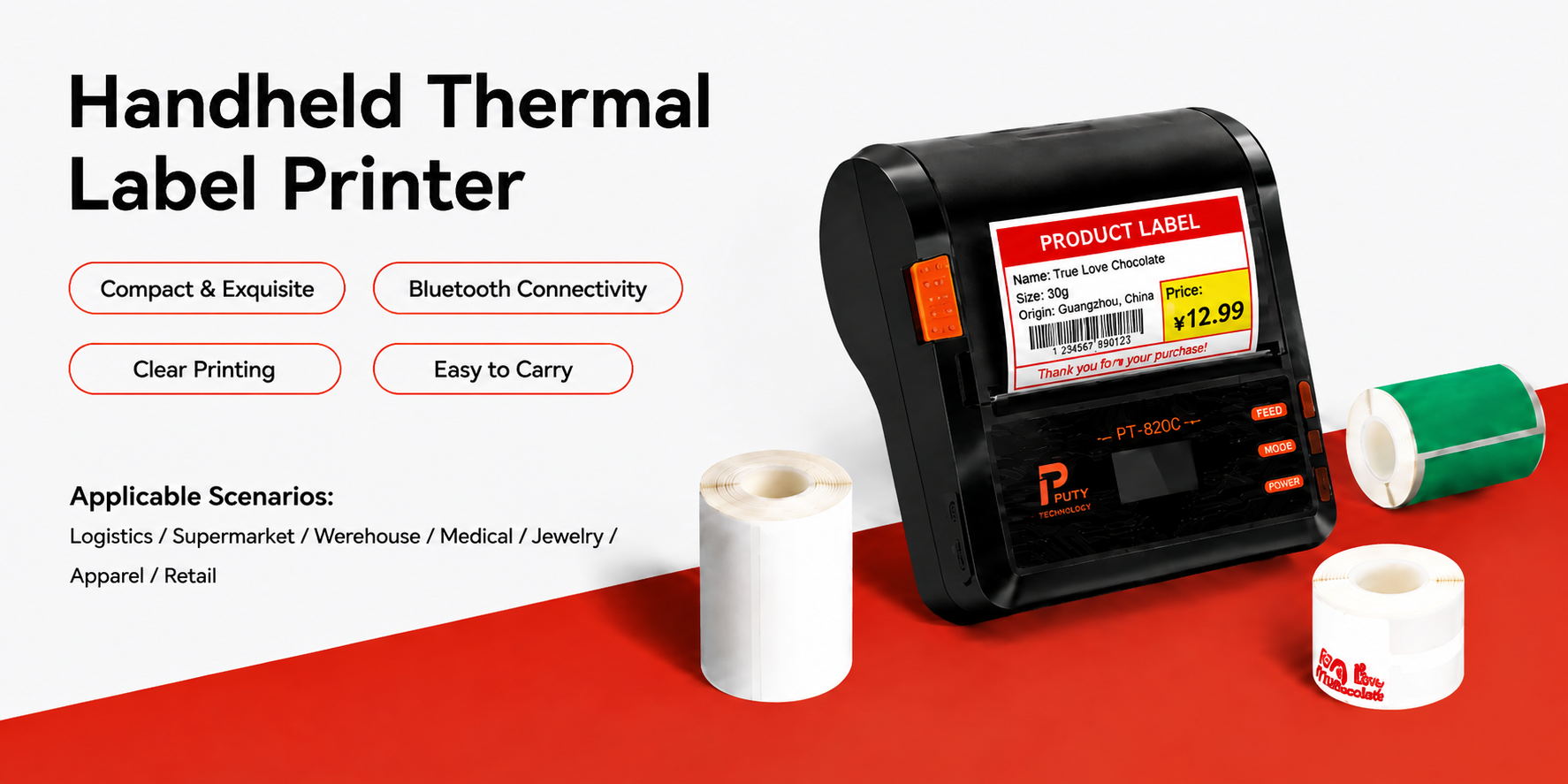
The clarity of information directly impacts operational efficiency. Although labeling is a fundamental process, it serves to categorize, provide guidance, verify, and facilitate handoffs; if labels are missing or inconsistent in format, it will incur additional costs for subsequent searches and maintenance.
In production environments characterized by frequent handling and long-term use, reliable labels form the foundation of equipment and process management. Establishing standardized naming conventions, identification numbers, and status fields for commonly used items enables on-site personnel to quickly understand the information and ensures that management requirements are applied to physical assets in a more intuitive manner.
We recommend first identifying high-frequency labeling scenarios and then creating fixed templates for commonly used fields. This way, when adding new materials, adjusting locations, or handling ad-hoc tasks, you need only modify the necessary content to maintain consistency across different batches of labels.
Incorporating label creation into daily workflows allows scattered information to gradually coalesce into actionable management standards. Clear, timely, and recognizable on-site labeling is a crucial pillar for improving collaboration efficiency and reducing operational errors.
#Durable Labels #PT-82DC #Industrial Label Printer #On-Site Production Labeling #Equipment Management